
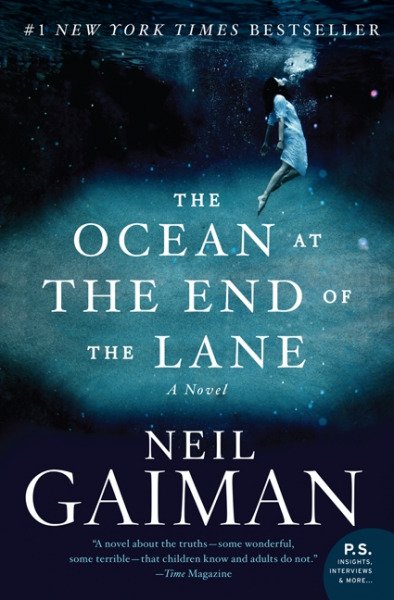
An Enigmatic Dive into Neil Gaiman’s The Ocean at the End of the Lane
Neil Gaiman has this uncanny ability to nestle truths within fantastical narratives, and The Ocean at the End of the Lane is no exception. When I first stumbled upon this novella, its blend of childhood innocence and creeping dread beckoned me like a nostalgic whisper. As I delved into Gaiman’s world, I was reminded of my own childhood fears—like my third-grade experience with Sister Evangelista, a tyrant masking authority in her rounded form. But, while I was associated with the absurdity of my early school days, Gaiman’s protagonist navigates a hauntingly surreal landscape where monsters loom not just in the form of figures like Sister Evangelista but in the very fabric of reality itself.
Our unnamed narrator, now an adult struggling with the weight of his past, takes us back to his seventh birthday, where loneliness sets in as his party fails to take shape. Soon, we meet Lettie Hempstock, an otherworldly girl who introduces him to a friendship layered with both brilliance and peril. Right from the start, the book captures that uncomfortable feeling of being small in a world ruled by adults, and Gaiman ingeniously crafts a narrative where that helplessness becomes a central theme.
The juxtaposition between childhood innocence and the darkness that lurks beneath is potent. The unnamed boy’s world feels just as ominous as the neighborhood adults who are mostly careless and oblivious. Gaiman states that he wrote the book not for children, but the twinkling allure of Gaiman’s prose may captivate young readers unaware of the nuanced complexities lying just beneath the surface. There’s a stark realism in how he tackles loss, fear, and the inevitability of growing up. Key themes of remembering and forgetting reverberate throughout, leaving you pondering the cost of both.





Gaiman’s writing is lyrical, weaving vivid imagery with gentle solemnity. Reading The Ocean at the End of the Lane felt like drifting through a fog where the landscape is both eerily familiar and unsettlingly strange. The lyrical prose tucked within a haunting narrative shines, particularly when Gaiman reflects on childhood with the gentle wisdom of hindsight. As he noted, "It was meant to be just about looking out at the world through the kind of eyes that I had when I was 7," and that sincerity resonates deeply as we navigate this allegorical tale.
A standout moment for me is the discovery of the titular pond, which transforms into a portal to the "ocean" of our wildest dreams and nightmares. It’s a remarkable metaphor for memory and the complexity of growing up—how even the smallest things can harbor the depth of our experiences. As Gaiman mentions, the sea might look like a pond to adults, but for a child, it is vast and full of potential.
In conclusion, The Ocean at the End of the Lane is a beautifully crafted reflection on childhood’s fragility and the ever-present shadows that haunt us. It’s a book intended for adults but laden with a touch of magic that could draw in younger readers, should they be brave enough to delve deeper. If you’ve ever grappled with the bittersweet nature of remembrance, or if you adore stories that blend the mundane with the monstrous, this book is a must-read. After finishing it, I found myself revisiting my own childhood myths, the monsters long set adrift but still swimming in the depths of my memory. Neil Gaiman invites you to jump in—are you ready to take the plunge?
[ad_2]
Discover more about The Ocean at the End of the Lane on GoodReads >>