
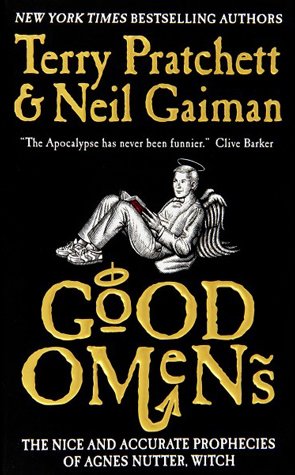
Good Omens: The Nice and Accurate Prophecies of Agnes N. – A Joyful Dance of Chaos and Contemplation
When I first picked up Good Omens: The Nice and Accurate Prophecies of Agnes N. by Neil Gaiman and Terry Pratchett, I expected a whimsical romp through the absurdity of life’s existential questions. Little did I know that I was in for a profound philosophical jaunt disguised as an outrageous comedy. This book caught my attention not just for its stellar author duo but for its audacity in tackling themes of good and evil, free will, and even the bewildering nature of destiny—through the lens of angels and demons squabbling over the impending Apocalypse.
At the heart of this quirky tale are the endearing odd couple of Aziraphale and Crowley, an angel and a demon who have formed a tenuous friendship over millennia on Earth. Their co-dependent relationship, brimming with sarcastic banter and mutual affection, serves as the thread that weaves together the intricate tapestry of madness that unfolds. They are arguably one of the best literary duos, embodying the complexities of existence while navigating the chaos of the world. My heart warmed (and occasionally ached) watching them come to realize they have more in common than their celestial roles would suggest.

One cannot review Good Omens without marveling at the sheer brilliance of Gaiman and Pratchett’s writing style. Their prose dazzles with wit and agility, creating moments of delightful levity amidst the chaos. The narrative rambles and darts between whimsical scenes—a flaming car, raining fish, and a young Antichrist lost among mundane suburban life—all while posing profound questions like, "Does upbringing eclipse destiny?" The humor resonates deeply, akin to Douglas Adams’ style, with a twist of bedtime stories gone awry.
The book’s depth sneaks up on you like socratic shadows, prompting reflections on organized religion, environmental pollution, and the eternal struggle between good and evil. Highlights abound: “The Devil hardly ever made anyone do anything. He didn’t have to.” This quote lingered with me, making me reconsider the nature of free will and moral choice.
It’s also worth noting the impeccable craftsmanship in the book’s footnotes—particularly aimed at American readers—that add an extra layer of humor to the experience. Each interjection feels like a cheeky nod, drawing the reader deeper into this world and its delightful absurdities.
For those who revel in a blend of philosophical inquiry wrapped in laugh-out-loud humor, Good Omens is undoubtedly a treasure. It manages to appeal to both avid readers of fantasy and those hesitant to tread into its fantastical realms. It invites you to question not only the nature of cosmic battles between good and evil but also the importance of compassion amidst chaos.
Reading Good Omens was an illuminating experience that left me reflecting on my own beliefs while snickering at the ridiculousness of it all. It’s the kind of book I would gift to friends and loved ones, sparking conversations that delve into the intricacies of existence, identity, and perhaps, a bit of ineffability. If you haven’t yet embarked on this madcap journey, do yourself a favor. You just might find a piece of yourself among the angels, demons, and a young boy named Adam trying to navigate what it means to be human.
[ad_2]
Discover more about Good Omens: The Nice and Accurate Prophecies of Agnes N… on GoodReads >>