
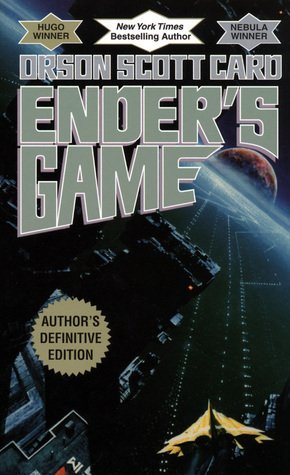
Book Review: Ender’s Game by Orson Scott Card
When I first stumbled upon Ender’s Game by Orson Scott Card, I was looking for a science fiction classic that would not only entertain me but also challenge my perspectives. Little did I know that this book would become a cornerstone of my reading journey—one that blended high-stakes drama with philosophical musings on morality and leadership. From the very first pages, I was drawn into a world that resonated deeply, both for its imagination and its emotional complexity.
Set in a future Earth threatened by an alien species known as the Formics, Ender’s Game follows the journey of Ender Wiggin—a boy selected at the tender age of six for a rigorous military training program aimed at creating the next generation of commanders. The challenges he faces are multifaceted, transgressing the boundaries of mere games to explore profound questions of empathy, strategy, and sacrifice. As I navigated Ender’s world, I was constantly reminded of the quote: “Sólo el enemigo te enseña tus puntos débiles.” This idea of vulnerability in the face of an adversary encapsulates much of Ender’s internal struggle throughout the narrative.
One of the most striking aspects of Card’s writing is how he imbues a sense of urgency and emotional depth in even his youngest characters. Ender’s development is portrayed with such nuance; he embodies both extraordinary genius and children’s fragility. As he grapples with isolation and the weight of expectations, the book delves into the ethics of war and the psychological toll it takes on young minds. The relationships Ender cultivates—most notably with his siblings, Peter and Valentine—garner immense richness, presenting a microcosm of familial dynamics where love and rivalry intertwine.




Card’s prose is both accessible and vibrant. The straightforward language allows readers to immerse themselves fully in the narrative, while the themes unfold with startling clarity. I found myself captivated by the ethical dilemmas posed: “La humanidad no nos pide que seamos felices. Sólo nos pide ser brillantes en su nombre.” This resonates deeply in our own world, probing at the intersections of duty and personal identity.
The pacing of Ender’s Game struck me as deft; each chapter builds upon the last like pieces of a complex strategy game. Just as Ender must foresee his opponents’ moves, I found myself eagerly anticipating the book’s many twists and turns. The climactic revelation left me breathless—a testament to Card’s mastery of crafting suspense while maintaining thoughtful narrative pacing.
By the time I turned the last page, I was left in awe of how a single story could provoke such deep reflections on humanity, survival, and the cost of victory. I couldn’t help but agree with the sentiment that the book eclipses its cinematic counterpart. The richness of the internal dialogues and character arcs, especially Ender’s struggle with his own morality, casts a long shadow over the film adaptation.
This book is not just for the science fiction enthusiast; it’s for anyone drawn to complex storytelling and ethical quandaries. Whether you’re a lifelong lover of the genre or someone seeking a narrative that challenges your preconceptions, Ender’s Game is a profound experience that demands to be read. The emotional and philosophical weight of the story lingers long after the last page is turned, inviting readers to reflect on their own definitions of leadership, empathy, and what it means to be human. In a world where we’re often asked to put on our game face, Ender’s story is a reminder that our greatest battles lie within.
[ad_2]
Discover more about Ender’s Game (Ender’s Saga, #1) on GoodReads >>