
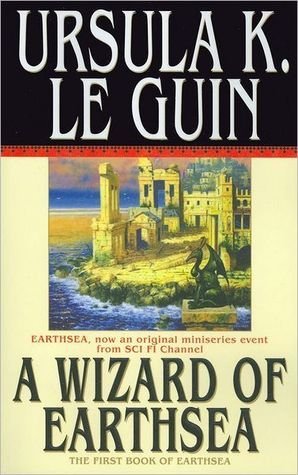
Embracing Shadows: A Journey Through A Wizard of Earthsea
When I first picked up A Wizard of Earthsea, I knew I was in the hands of a master storyteller—Ursula K. Le Guin. Intrigued by the promise of a fantasy realm that diverges from the traditional narratives I had grown up with, I quickly found myself immersed in a world that was as haunting as it was beautiful. With its blend of philosophical insights and traditional folklore, this book isn’t just a tale of magic; it’s a profound exploration of identity and growth.
At the heart of A Wizard of Earthsea lies Ged, a boy with extraordinary powers who becomes a wizard—a journey that echoes the timeless coming-of-age theme. But unlike the bright-eyed heroes we often encounter in contemporary YA literature, Ged is flawed and arrogant. His tale begins with impulsive actions that summon darker forces, thrusting him into a battle not just against external foes but also with his own ego and insecurities. As Le Guin vividly writes, “It is the shadow of your arrogance, the shadow of your ignorance, the shadow you cast.” This moment exemplifies the book’s core philosophy: true understanding comes not just from wielding power, but from knowing oneself.
Throughout the narrative, the themes of balance and duality resonate deeply. Le Guin reminds us that “only in silence the word, only in dark the light,” crafting a narrative where magic is not merely a tool for conquest but a delicate balance intertwined with moral choices. Ged’s journey through Earthsea isn’t filled with glorified battles but rather subtle explorations of what it means to confront one’s shortcomings. It’s a journey that emphasizes the weight of responsibility that comes with power.


Le Guin’s prose is a joy to read—lyrical yet stark, mirroring the land of Earthsea itself. With phrases like, “To light a candle is to cast a shadow,” the writing evokes a rich tapestry of images and wisdom that lingers long after the pages are turned. The pacing feels intentional, allowing readers to fully absorb the cultural intricacies and the haunting atmosphere of Ged’s world. In moments of tension, such as when Ged faces the dread of his own summoned shadow, the prose truly comes alive, immersing us in the urgency of his peril.
One of the most intriguing aspects of A Wizard of Earthsea is its subtle yet progressive representation. Ged, whose true skin tone is often glossed over in adaptations, embodies a more authentic portrayal of diversity in fantasy literature. This nuanced character choice invites readers to reflect on their assumptions and broadens the scope of who can be a hero.
As I closed the book, its reflections on shadows and light resonated within me. A Wizard of Earthsea is not merely a fantasy novel but an invitation to embark on a journey of self-discovery. It holds immense significance for anyone grappling with their identity or exploring the complexities of morality, making it a perfect read for fans of speculative fiction, young adults, or anyone yearning for a narrative that blurs the lines between heroism and humanity.
In the end, this book left me questioning not just the nature of darkness, but also what it means to truly know oneself. If you’re ready to challenge your perceptions of fantasy and delve into profound themes wrapped in enchanting prose, then journey into Earthsea; your shadows may just lead to the light.
[ad_2]
Discover more about A Wizard of Earthsea (Earthsea Cycle, #1) on GoodReads >>