
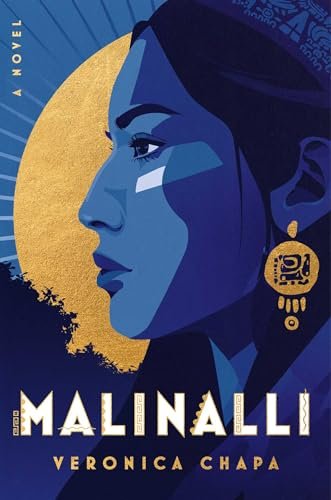
Review of Malinalli by Veronica Chapa
When I first stumbled upon Veronica Chapa’s Malinalli, I was instantly intrigued by the promise of a magical tale set against the backdrop of the tumultuous times during the fall of the Aztec Empire. A nurturing yet vengeful protagonist, wrestling with her identity and her loyalties, seemed to set the stage for a captivating read. Unfortunately, my excitement quickly dimmed as I navigated through the narrative, leading me to a few disheartening conclusions.
Malinalli introduces us to the titular character, Malinalxochitl, who evolves from an eager student at the House of Magical Studies to a pivotal figure caught between Hernando Cortés and the wreckage of her own family. The themes of identity, betrayal, and empowerment tease at a deeper exploration of Malinalli’s character, yet they often fall flat. My primary concern lies with the superficial handling of what could have been a rich, intricate narrative. The attempt to deliver a feminist retelling feels more like a hasty brushstroke than a carefully constructed piece of art. While I appreciate the intent, the execution reads more like "GirlBoss™" rhetoric that stalls any genuine reflection.
The notion of magic within the story intrigued me; however, it became apparent that the magical elements were mere aesthetics, rather than integral to the plot. Sudden magical shifts — Malinalli’s inexplicable ability to craft life-like embroideries and communicate telepathically with her twin — appear without sufficient build-up or emotional weight. As a reader, I yearned to experience these revelations alongside Malinalli, yet instead, I felt like an observer in someone else’s summary.





Chapa’s pacing is another significant hurdle in the storytelling. Key events rush by without giving us, the readers, time to digest the emotional gravity of what just unfolded. I found myself wishing for more depth and exploration, for a moment when I could sit with the characters and feel the weight of their circumstances. Emotional gut punches landed flat due to a lack of space and time to process their impact. How could I truly invest in Malinalli’s journey when I barely had the chance to grow attached to her or her struggles?
Then there’s the issue of the protagonist’s moral compass. I found it strikingly odd that Malinalli, heavily influenced by her culture’s practices, vehemently opposes human sacrifice, a common facet of her history. It felt disjointed and as though the narrative was trying too hard to resonate with contemporary reader sensibilities, leading to an overall wonky portrayal.
For those who relish historical fiction rooted in rich cultures, perhaps Malinalli may still offer some enjoyment. However, I would hesitate to recommend it to fans of speculative fiction who seek deep engagement with world-building and character development. In a landscape rife with innovative stories that tackle such themes, I sadly found Malinalli to be lacking.
Ultimately, while my journey through this book wasn’t as fulfilling as I’d hoped, I recognize that my tastes don’t align with Chapa’s vision. Instead, I appreciate the effort behind reinterpreting Malinalli’s legacy, even if the execution did not resonate with me. If anything, Malinalli has prompted me to reflect on the ongoing conversations around representation and storytelling, reminding me just how vital nuanced narratives are for readers today.
[ad_2]
Discover more about Malinalli on GoodReads >>