
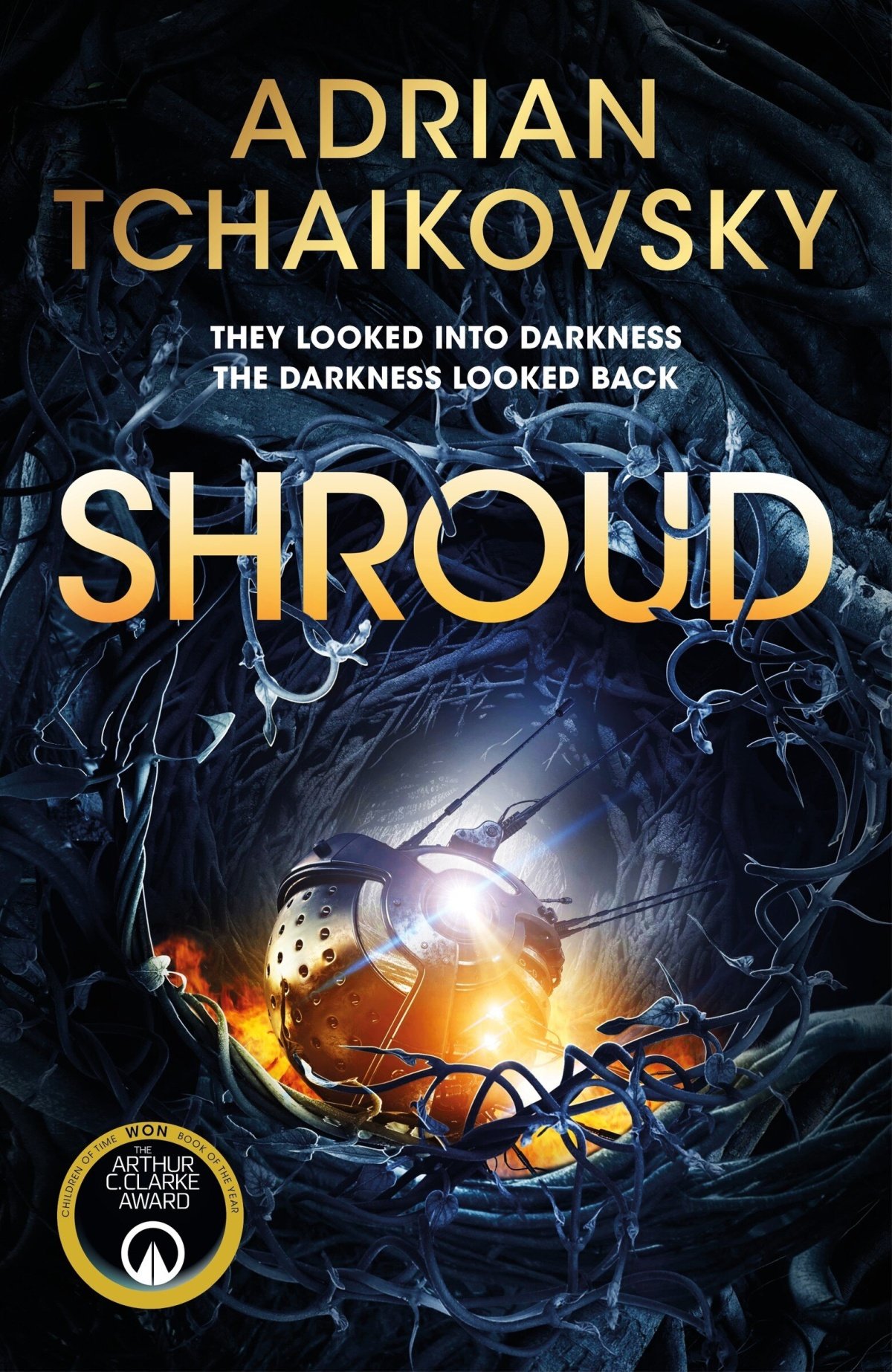
Book Review: Shroud by Adrian Tchaikovsky
From the moment I spotted Shroud, the latest offering from Adrian Tchaikovsky, I felt an irresistible pull. Tchaikovsky’s knack for weaving intricate tales that explore the very essence of humanity has always captivated me, and this time, he delves into the heart of what it means to be human—or, more accurately, what it means to be lost in a world dominated by corporate machinations. With the hint of a sci-fi adventure woven into the fabric of profound philosophical musings, I was eager to begin.
At its core, Shroud is a haunting exploration of humanity, identity, and survival. Told through the alternating perspectives of two main characters—Juna, a beleaguered human, and the alien life forms inhabiting the titular moon—the narrative presents a gripping glimpse into a future where men and women have become mere cogs in a corporate machine, forever "shelved" in sleep pods to serve the interests of their corporate overlords. I found myself reflecting on the chilling consequences of such a life. The dehumanization of the crew members left me both intrigued and frustrated, perfectly mirroring the corporate world’s all-consuming nature.
The lush alien life of Shroud contrasts sharply with its human visitors, serving as both a reflection and a stark critique of their condition. The Shrouders, a fractured hive mind, embody a community where individuality and interconnectedness coexist in harmony. It’s fascinating how Tchaikovsky manages to craft aliens that genuinely feel alien, while simultaneously making the humans seem strange in their own right. I couldn’t help but resonate with Juna’s comparison of the Shrouders to ants—an analogy that resonates deeply back on humanity itself.





Tchaikovsky’s writing is a seamless blend of technical exposition and rich character exploration. Pacing flows naturally, with moments of quiet introspection followed by bursts of adrenaline as the human characters grapple with their fate on the surface of Shroud. The growing sense of despair enveloping Juna was palpable and thoughtfully portrayed. His style is as approachable as it is profound, making complex themes digestible without sacrificing depth.
There were several moments when I wanted to shake the human characters from their stupor—especially as they navigated their dire circumstances with a certain disheartening naiveté. The ending, however, was the pièce de résistance. I was left feeling as though I could throw my Kindle across the room—yet in that frustration, I found clarity. The powerful culmination of their journey is one that lingers long after closing the book.
With its thought-provoking themes and breathtaking exploration of life—both human and alien—Shroud is a remarkable read that stays with you. I wholeheartedly recommend this to fans of high-concept sci-fi who appreciate deep character development alongside riveting world-building. Whether you find the corporate dystopia unnervingly familiar or the alien life intriguingly bizarre, it’s a narrative that invites readers to reflect on their humanity. For me, this journey through Tchaikovsky’s masterful storytelling was not just another read; it was a significant moment of introspection that I will carry with me for a long while.
[ad_2]