
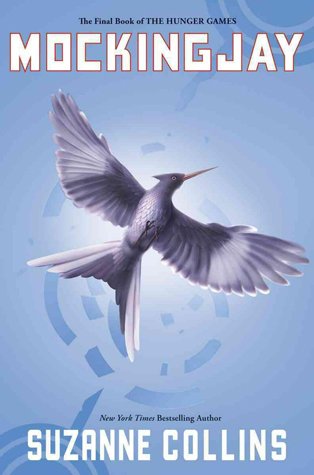
Book Review: Mockingjay (The Hunger Games #3) by Suzanne Collins
When I first cracked open Mockingjay, I was buzzing with anticipation. Suzanne Collins had crafted a world so rich and enticing in The Hunger Games and continued that momentum in Catching Fire, leaving me eager for a grand conclusion. But as I reached the final pages, my enthusiasm turned into bewilderment. What had I just read?
The story picks up where Catching Fire left off, with Katniss Everdeen now embroiled in a full-blown war against the Capitol, led by President Coin. This shift in focus from the heart-thumping arena to a more political and war-torn narrative felt jarring. The elements that made the first two books so gripping—the pulse-pounding action and the instinctual survival tactics—seemed lost. Instead, we witness Katniss positioned more as a pawn than a warrior, manipulated by others in a narrative that felt detached and scripted.



Katniss herself, once a fierce and empowered heroine, often felt like a shadow of her former self. I couldn’t help but echo the sentiment that she was drowning in self-pity, trapped in a cycle of indecision. The fight within her, the girl on fire, flickered like a candle in the wind. I longed for the moments of clarity and bravery we saw in the earlier books, but here, her indecisiveness proved frustrating. Instead of becoming the Mockingjay we hoped for, Katniss floats through the narrative, a pawn to external forces, which left me feeling disconnected from her journey.
The pacing added to the struggle. Instead of living the action alongside Katniss, we are instead told of it second-hand, which felt highly unsatisfying. The deaths of beloved characters were rushed, lacking the emotional weight they deserved. Prim’s death, in particular, felt hollow when it arrived out of nowhere after her prolonged absence from the story—a heartbreak meant to resonate, yet one that simply fell flat.
And then there was the love triangle. By the end of the book, I found myself indifferent to the fate of Katniss’s romantic life. My attachment to Team Gale or Peeta had crumbled in light of a larger narrative that felt painfully bleak. Wouldn’t it have been more compelling to see Katniss choose her path, rather than settle into a relationship that seemed more convenient than meaningful?
Despite these frustrations, I found glimmers of brilliance in Collins’s ability to evoke deep feelings about the cost of war. While the aesthetics felt staged and disingenuous at times, the reflections on trauma and loss were poignant—even if we didn’t spend enough time appreciating the characters before their untimely exits. I appreciated Collins’s attempt to convey that not all heroes rise to occasions as we expect. That said, perhaps I wanted more empowerment juxtaposed against the chaos.
Ultimately, I finished Mockingjay feeling like I had traversed a harsh, unyielding landscape where hope flickered but never quite illuminated the dark corners. For readers drawn in by uplifting narratives of resilience and triumph, this final installment might leave you feeling adrift rather than empowered.
So, who might enjoy this book? I think those who appreciate a raw and unfiltered look at war and its effects will find moments worth reflecting on, but if you yearn for the fiery spark of the earlier books, you may finish feeling more disappointed than fulfilled. As for me, I’m left hoping for brighter horizons in my next read, one where the heroes rise mightily, ready to face their destinies, not just watch from the sidelines.
[ad_2]
Discover more about Mockingjay (The Hunger Games, #3) on GoodReads >>